


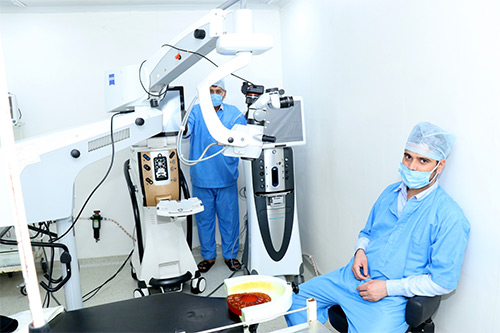
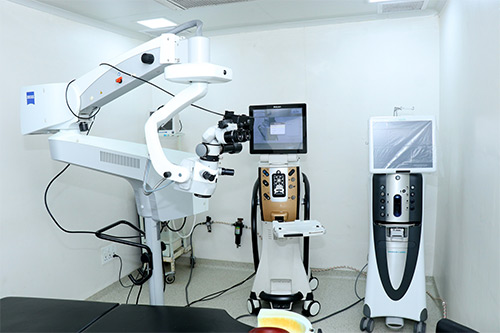
EFFECTIVE OPTIONS FOR YOUR HEALTHY EYES
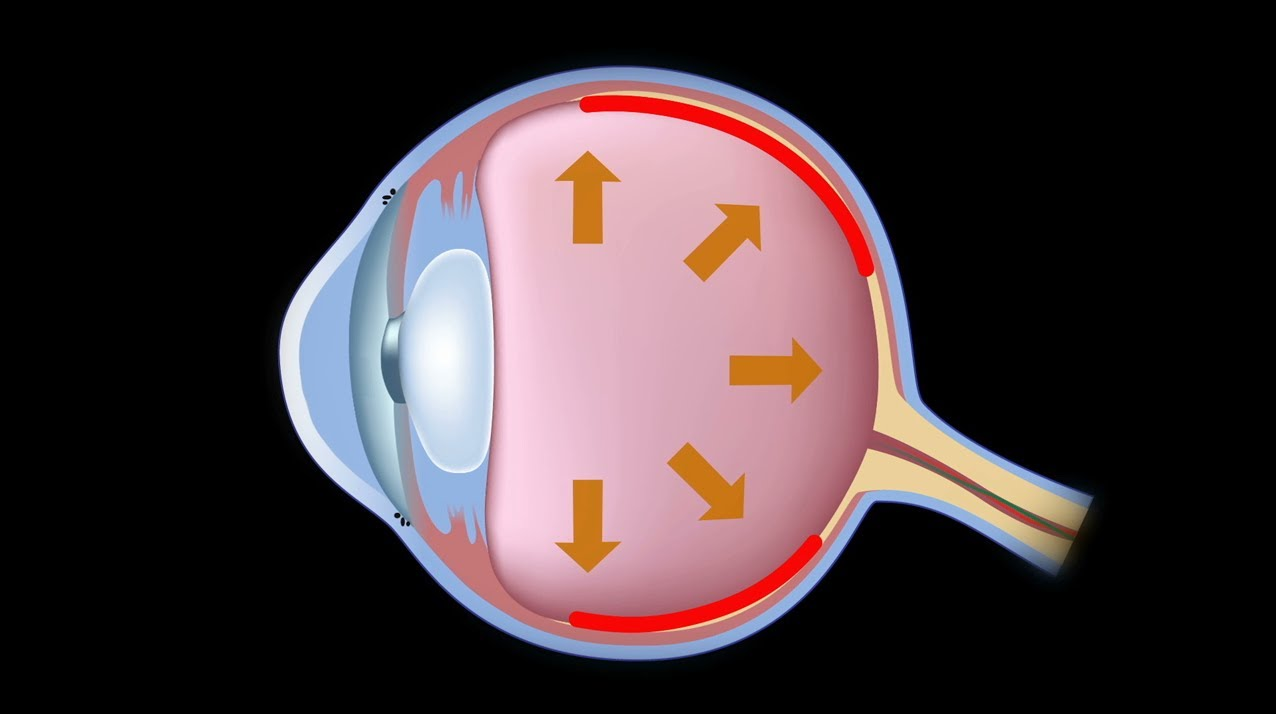
What Happens In Glaucoma
Glaucoma causes raised pressure in the eye, which leads to impairment of visual fields and finally vision loss. Contact your ophthalmologist If you have a family history of glaucoma or you observe any signs pointing towards glaucoma to determine the right treatment option for you.
HOW DO I KNOW IF I HAVE GLAUCOMA?
Symptoms
If you have glaucoma, you may observe:

Blurred Vision

Severe Eye or Forehead Pain

Peripheral Vision Loss

Halos Around LightsHalos Around Lights

Redness of the Eyes

Blind Spots in Field of Vision
FEATURED TREATMENT OPTION
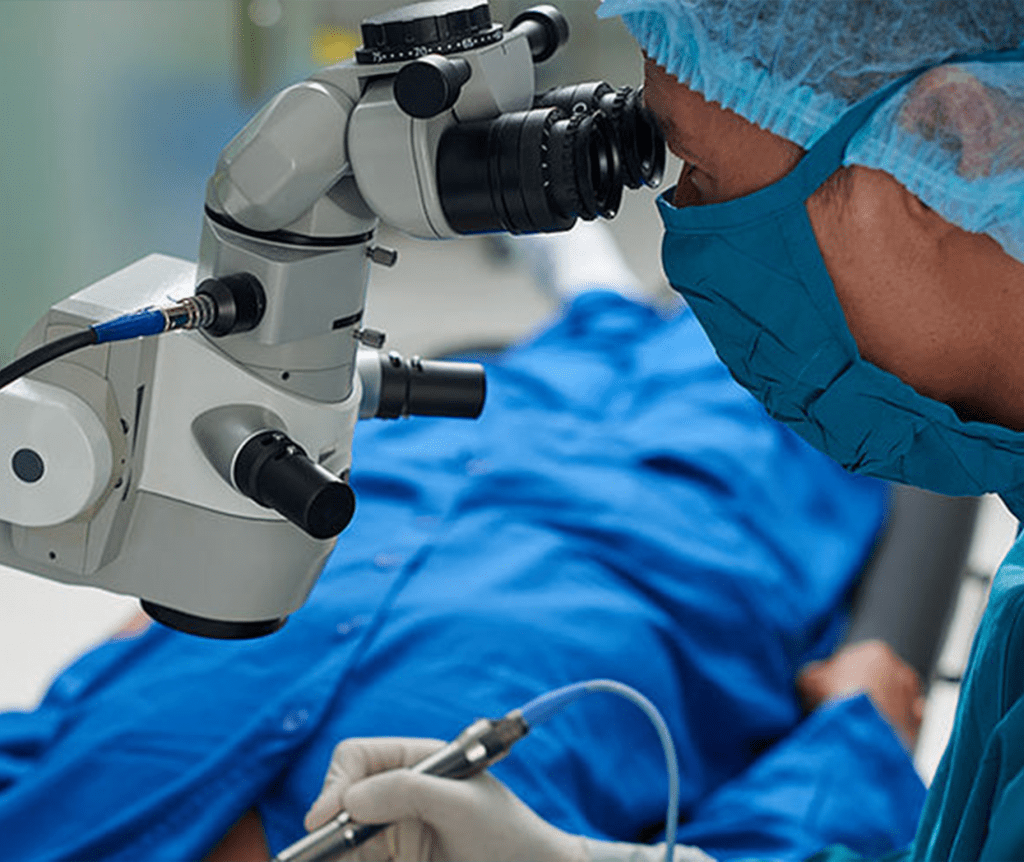
Glaucoma Valve Treatment
Glaucoma valve is one of the most recent glaucoma treatment strategies which helps in bringing down intra visual pressing factor and keeps a legitimate watery outpouring. This method is one of the favored administration alternative in cases battling with glaucoma even after most extreme drugs and in muddled glaucoma cases.
Types of Glaucoma
Open-Angle Glaucoma
Open-angle glaucoma is the most common form of glaucoma. It develops gradually when the eye’s drainage system becomes less efficient, causing increased intraocular pressure that can damage the optic nerve over time. Since symptoms are often absent in the early stages, regular eye examinations are essential for early detection.
Angle-Closure Glaucoma
Angle-closure glaucoma occurs when the drainage angle between the iris and cornea becomes blocked, leading to a sudden rise in eye pressure. This condition may cause severe eye pain, headache, blurred vision, nausea, and halos around lights. Immediate medical attention is required to prevent permanent vision loss.
Normal-Tension Glaucoma
Normal-tension glaucoma is a type of glaucoma in which optic nerve damage occurs despite normal intraocular pressure levels. The exact cause is not always clear, but reduced blood flow to the optic nerve may play a role. Early diagnosis and monitoring are important to protect vision.
Secondary Glaucoma
Secondary glaucoma develops as a result of another eye condition, injury, inflammation, prolonged steroid use, or certain systemic diseases. Treatment focuses on managing both the underlying cause and elevated eye pressure to prevent further optic nerve damage.
Risk Factors for Glaucoma
Several factors can increase the risk of developing glaucoma. Individuals with one or more of these risk factors should undergo regular comprehensive eye examinations:
- Age above 40 years
- Family history of glaucoma
- Diabetes and hypertension
- Elevated intraocular pressure (high eye pressure)
- Long-term use of steroid medications
- Severe nearsightedness (myopia)
- Previous eye injuries or surgeries
- Thin corneas
Benefits of Early Glaucoma Detection
Early diagnosis and treatment of glaucoma can significantly improve long-term visual outcomes. Since vision loss caused by glaucoma is usually irreversible, timely intervention is essential.
Prevents Irreversible Vision Loss
Detecting glaucoma in its early stages allows treatment to begin before significant optic nerve damage occurs, helping preserve useful vision.
Preserves Optic Nerve Health
Regular monitoring and appropriate treatment can help protect the optic nerve and slow disease progression.
Reduces the Risk of Blindness
Timely glaucoma management lowers the risk of severe visual impairment and blindness associated with advanced disease.
Enables Timely Treatment
Early detection provides access to a wider range of treatment options, including medications, laser procedures, and glaucoma surgery when necessary.
At Arora Eye & LASIK Laser Centre, comprehensive glaucoma screening and advanced diagnostic technologies help identify glaucoma at an early stage, allowing patients to receive timely and personalized treatment for long-term eye health.
FAQs
Arora Eye & LASIK Laser Centre is among the leading eye care centres in Karnal for glaucoma diagnosis and treatment. The hospital offers advanced diagnostic technology, experienced glaucoma specialists, and personalized treatment plans to help preserve vision and manage eye pressure effectively.
Glaucoma is an eye disease that damages the optic nerve, often due to increased pressure inside the eye. It is called the “silent thief of sight” because vision loss usually develops gradually and may not cause noticeable symptoms in its early stages.
In the early stages, glaucoma may not cause any symptoms. As the disease progresses, patients may experience gradual loss of peripheral vision, blurred vision, eye pain, headaches, or seeing halos around lights. Regular eye examinations are essential for early detection.
Vision loss caused by glaucoma cannot usually be reversed. However, early diagnosis and timely treatment can help control eye pressure and slow or prevent further damage to the optic nerve.
Glaucoma surgery may be recommended when eye drops or medications do not adequately control intraocular pressure. The goal of surgery is to improve fluid drainage from the eye and reduce the risk of further vision loss.
People over 40 years of age, individuals with a family history of glaucoma, diabetics, patients with high eye pressure, and those with certain medical conditions may have a higher risk of developing glaucoma. Regular glaucoma screening is important for high-risk individuals.
Glaucoma is diagnosed through a comprehensive eye examination that may include eye pressure measurement, optic nerve evaluation, visual field testing, and advanced imaging tests to detect early nerve damage.
Arora Eye & LASIK Laser Centre provides comprehensive glaucoma care with advanced diagnostic systems, experienced eye specialists, and modern treatment options. The centre has been serving patients across Karnal and Haryana for more than two decades with a focus on preserving vision and long-term eye health.
Adults above 40 years of age and individuals with risk factors such as diabetes or a family history of glaucoma should undergo regular comprehensive eye examinations. Early screening helps detect glaucoma before significant vision loss occurs.
Yes. If glaucoma is not diagnosed and treated in time, it can cause permanent optic nerve damage and irreversible vision loss, potentially leading to blindness. Early treatment is the best way to protect long-term vision.