


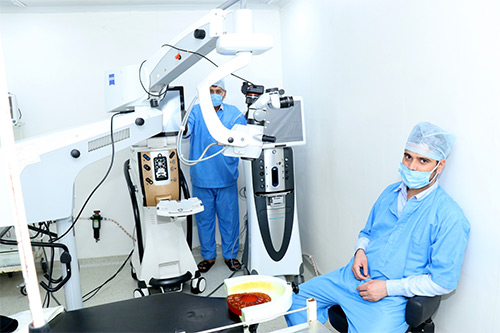
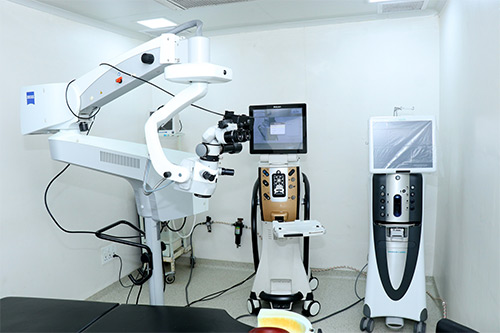

Cataract is one of the most common eye conditions that affects millions of people worldwide, especially as they age. Modern medical technology has significantly improved the way cataracts are treated. One of the most advanced innovations today is Blade Free Robotic Cataract Surgery, a highly precise and computer-guided procedure designed to improve safety, accuracy, and visual outcomes.
In this patient guide by Arora Eye Centre, we explain everything you need to know about Blade Free Robotic Cataract Surgery—including what it is, how it works, who needs it, its benefits, and what to expect before and after treatment.
What Is Blade Free Robotic Cataract Surgery?
Blade Free Robotic Cataract Surgery is an advanced form of cataract treatment that uses femtosecond laser technology and robotic precision to perform key steps of cataract surgery without using traditional surgical blades.
In conventional cataract surgery, a surgeon manually creates incisions and removes the cloudy lens. In contrast, robotic laser-assisted surgery uses computer-guided imaging and lasers to perform these steps with extremely high precision.
This advanced approach improves surgical accuracy, reduces manual variability, and enhances patient safety.
Key Features of Blade Free Robotic Cataract Surgery
| Feature | Description |
| Laser-guided incisions | Replaces manual blade incisions |
| High precision imaging | Maps the eye in 3D before surgery |
| Automated lens fragmentation | Laser softens the cataract for easier removal |
| Minimal tissue disruption | Improves healing and recovery |
Because of these advantages, many modern eye hospitals now recommend Blade Free Robotic Cataract Surgery guide options for patients seeking advanced vision correction.
What Is a Cataract?
A cataract occurs when the natural lens of the eye becomes cloudy. This clouding blocks light from passing clearly through the lens, causing blurry or dim vision.
Cataracts usually develop slowly with age but can also occur due to injury, medical conditions, or genetic factors.
Common Cataract Symptoms
Patients with cataracts may experience:
- Blurred or cloudy vision
- Difficulty seeing at night
- Sensitivity to bright light or glare
- Halos around lights
- Faded or yellowed colors
- Frequent changes in eyeglass prescription
If left untreated, cataracts can gradually worsen and significantly affect daily activities such as reading, driving, or recognizing faces.
Who Is a Good Candidate for Blade Free Robotic Cataract Surgery?
Most patients diagnosed with cataracts can benefit from modern laser-assisted surgery. However, suitability depends on several factors evaluated during a comprehensive eye examination.
Patients who may benefit include:
- Individuals with moderate to advanced cataracts
- Patients seeking high precision surgical outcomes
- People with astigmatism correction needs
- Patients wanting premium intraocular lenses (IOLs)
- Individuals seeking faster recovery and improved visual clarity
Eye specialists at Arora Eye Centre carefully assess each patient to determine the most appropriate treatment approach.
How Does Blade Free Robotic Cataract Surgery Work?
The procedure combines advanced imaging technology and femtosecond laser precision. The entire process typically takes around 10–20 minutes per eye.
Step-by-Step Procedure
- Detailed Eye Mapping
A high-resolution 3D scan of the eye is performed. This allows the surgeon to plan the procedure with exceptional accuracy. - Laser-Assisted Incisions
Instead of using surgical blades, a femtosecond laser creates tiny incisions in the cornea. - Capsulotomy (Opening the Lens Capsule)
The laser creates a perfectly circular opening in the lens capsule, which helps position the artificial lens more accurately. - Cataract Softening
The laser breaks the cloudy cataract into small fragments, making removal easier and safer. - Lens Removal
The surgeon gently removes the softened cataract fragments. - Artificial Lens Implant
A clear intraocular lens (IOL) is inserted to replace the natural lens and restore vision.
What Are the Benefits of Blade Free Robotic Cataract Surgery?
Modern laser-assisted cataract surgery offers several advantages over traditional techniques.
Major Benefits
1. Higher Precision
Laser technology provides micron-level accuracy that is difficult to achieve manually.
2. Blade-Free Approach
No surgical blades are used for key steps, which reduces mechanical trauma.
3. Better Lens Positioning
A precise capsulotomy allows accurate placement of intraocular lenses.
4. Improved Astigmatism Correction
Laser-assisted techniques can help correct corneal irregularities.
5. Faster Recovery
Minimal tissue disruption often leads to quicker healing.
6. Greater Predictability
Advanced imaging helps surgeons plan customized treatment for each patient.
Because of these benefits, many patients now prefer Blade Free Robotic Cataract Surgery guide recommendations from advanced eye hospitals.
Are There Any Risks or Complications?
Like any surgical procedure, cataract surgery carries some risks. However, modern techniques have significantly reduced complication rates.
Possible but uncommon risks include:
- Infection
- Swelling in the eye
- Temporary inflammation
- Light sensitivity
- Rare vision disturbances
Choosing an experienced eye specialist and advanced surgical technology can greatly reduce these risks.
At Arora Eye Centre, strict medical protocols and advanced diagnostic tools are used to ensure safe and successful outcomes.
What Is the Recovery Process Like?
Recovery from Blade Free Robotic Cataract Surgery is usually quick and comfortable.
Typical Recovery Timeline
| Time After Surgery | What to Expect |
| First 24 hours | Mild irritation or blurry vision |
| 2–3 days | Vision gradually improves |
| 1 week | Most daily activities resume |
| 3–4 weeks | Full healing and stable vision |
Post-Surgery Care Tips
Patients are usually advised to:
- Use prescribed eye drops regularly
- Avoid rubbing the eyes
- Wear protective sunglasses outdoors
- Avoid swimming or dusty environments temporarily
- Attend follow-up checkups
Following the doctor’s instructions helps ensure optimal recovery.
Can Cataracts Be Prevented?
While cataracts cannot always be prevented, certain lifestyle habits may help delay their progression.
Eye Health Tips
- Protect eyes from UV rays using sunglasses
- Maintain a healthy diet rich in antioxidants
- Manage conditions like diabetes
- Avoid smoking
- Schedule regular eye examinations
Early detection plays a key role in maintaining long-term vision health.
Advanced Cataract Care at Arora Eye Centre
Choosing the right eye hospital is essential for safe and successful cataract treatment.
Arora Eye Centre is dedicated to providing advanced eye care using modern diagnostic systems and cutting-edge surgical technologies. The centre focuses on patient safety, personalized treatment plans, and high-quality surgical outcomes.
For patients seeking advanced cataract treatment, you can learn more here:
Arora Eye & Lasik Laser Centre: Leading the Way with the Best Blade-Free Cataract Surgery in Karnal and Haryana
Book a Consultation for Advanced Cataract Treatment
Clear vision is essential for maintaining quality of life. With modern advancements like Blade Free Robotic Cataract Surgery, cataract treatment has become safer, more precise, and highly effective.
If you are experiencing symptoms of cataracts or want to explore advanced surgical options, consulting an experienced eye specialist is the best step forward.
Schedule a comprehensive eye evaluation at Arora Eye Centre to learn whether advanced blade-free cataract surgery is the right solution for your vision needs. Early diagnosis and timely treatment can help protect your eyesight for years to come.
Frequently Asked Questions (FAQs)
1. Is Blade Free Robotic Cataract Surgery painful?
No. The procedure is performed under local anesthesia, so patients usually feel little to no pain during surgery.
2. How long does Blade Free Robotic Cataract Surgery take?
The surgical procedure typically takes 10 to 20 minutes per eye, though the overall visit may take a few hours including preparation and recovery.
3. Is laser cataract surgery safer than traditional surgery?
Both procedures are safe, but laser-assisted cataract surgery offers improved precision and predictability, which may enhance surgical outcomes.
4. When can I resume normal activities after surgery?
Most patients return to normal daily activities within a few days, though strenuous activities should be avoided for about 1–2 weeks.
5. Will I still need glasses after cataract surgery?
It depends on the type of intraocular lens (IOL) used. Some premium lenses may reduce or eliminate the need for glasses.
6. How do I know if I need cataract surgery?
If cataracts begin interfering with your daily activities such as reading, driving, or recognizing faces, your eye specialist may recommend surgery.
Book a Consultation for Advanced Cataract Treatment
Clear vision is essential for maintaining quality of life. With modern advancements like Blade Free Robotic Cataract Surgery, cataract treatment has become safer, more precise, and highly effective.
If you are experiencing symptoms of cataracts or want to explore advanced surgical options, consulting an experienced eye specialist is the best step forward.Schedule a comprehensive eye evaluation at Arora Eye Centre to learn whether advanced blade-free cataract surgery is the right solution for your vision needs. Early diagnosis and timely treatment can help protect your eyesight for years to come.